

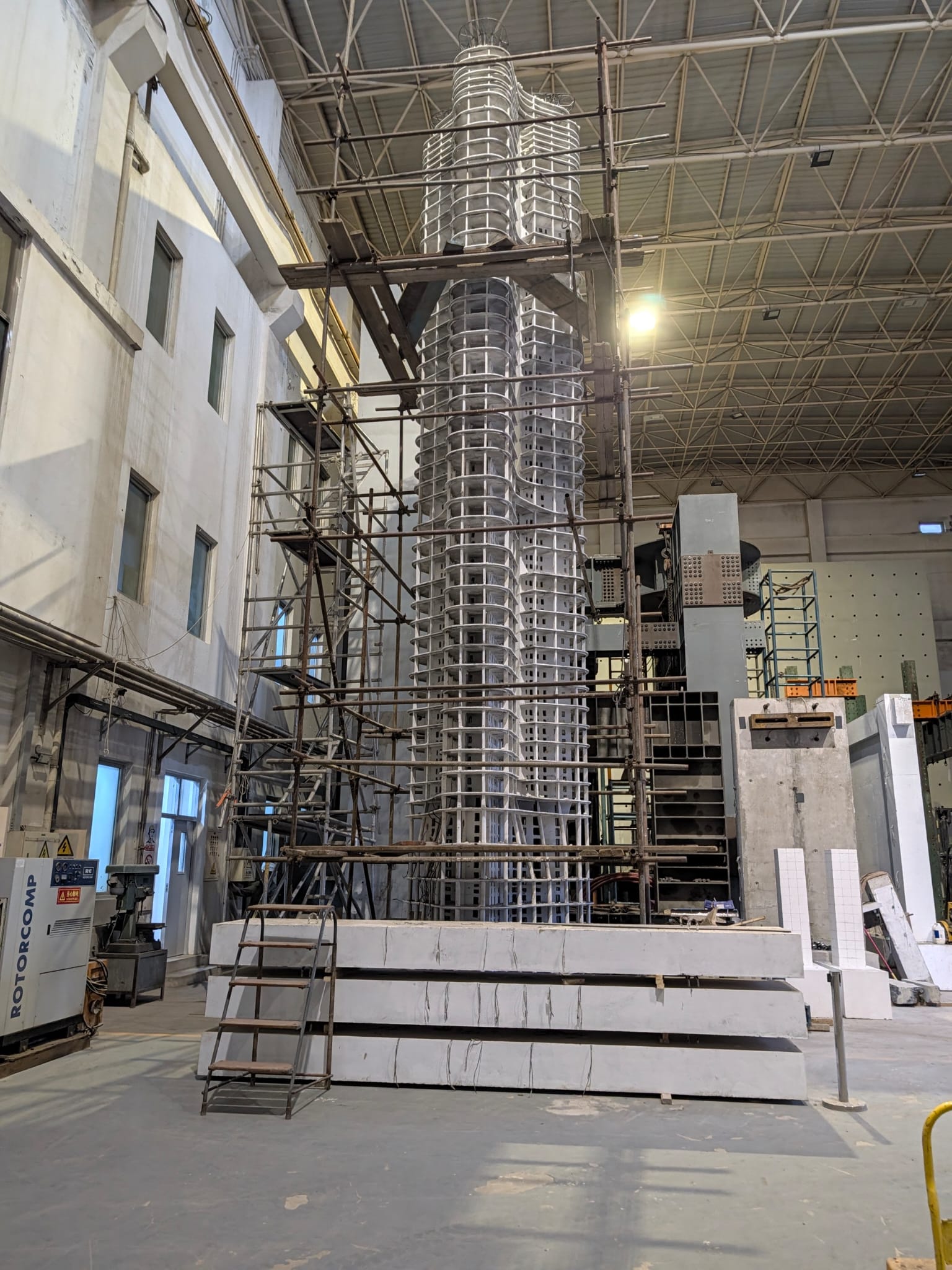
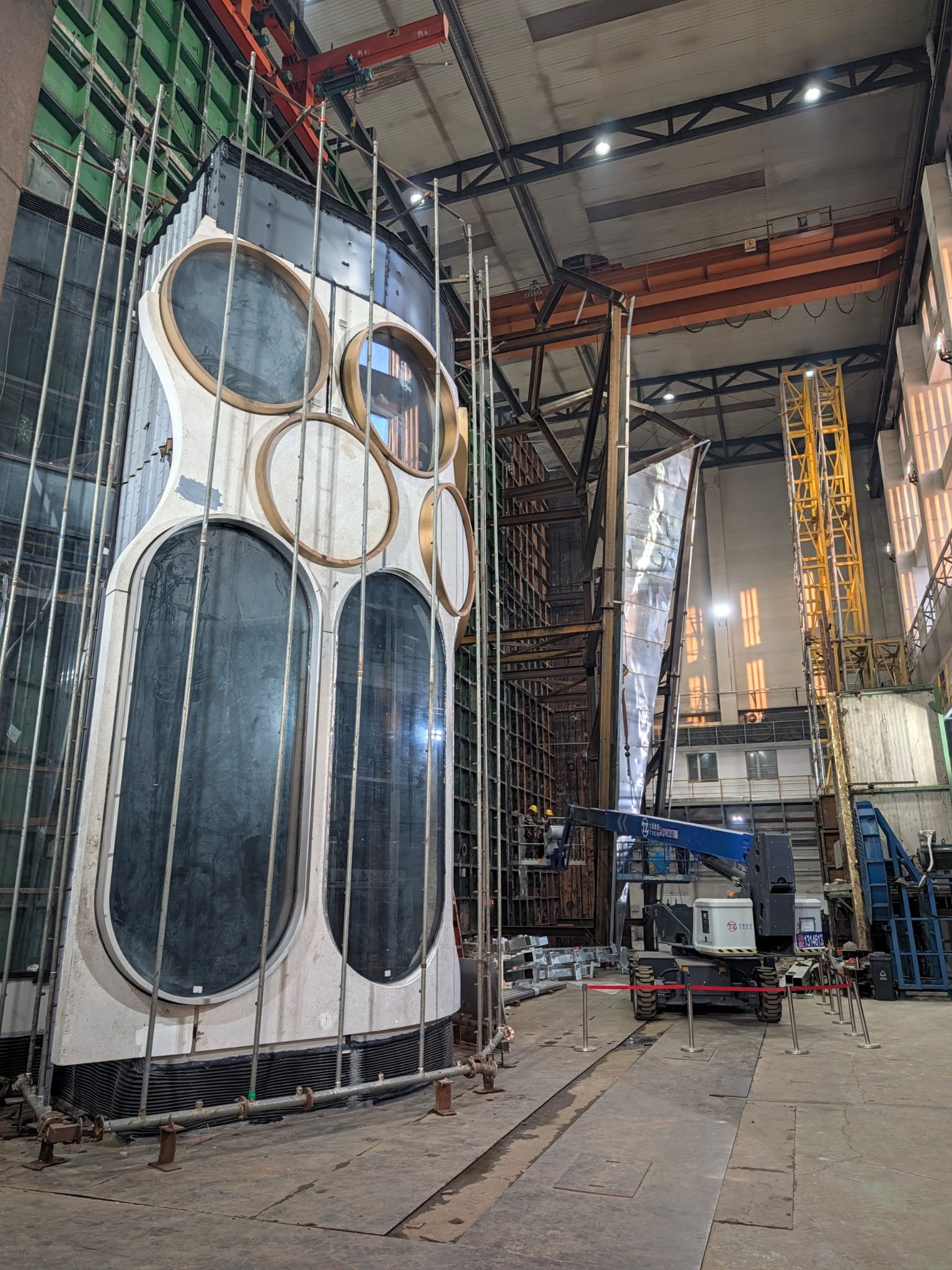
Inside the China Academy of Building Research (CABR) in Beijing, a model tower rose through several levels of scaffolding. CABR’s hosts told the visiting CSi team that models like this were built at 1:40 scale and could take more than a year to construct. Elsewhere in the facility, the team saw a very different specimen: a large curved façade section with circular and oval glazed openings.
CSi at the China Academy of Building Research
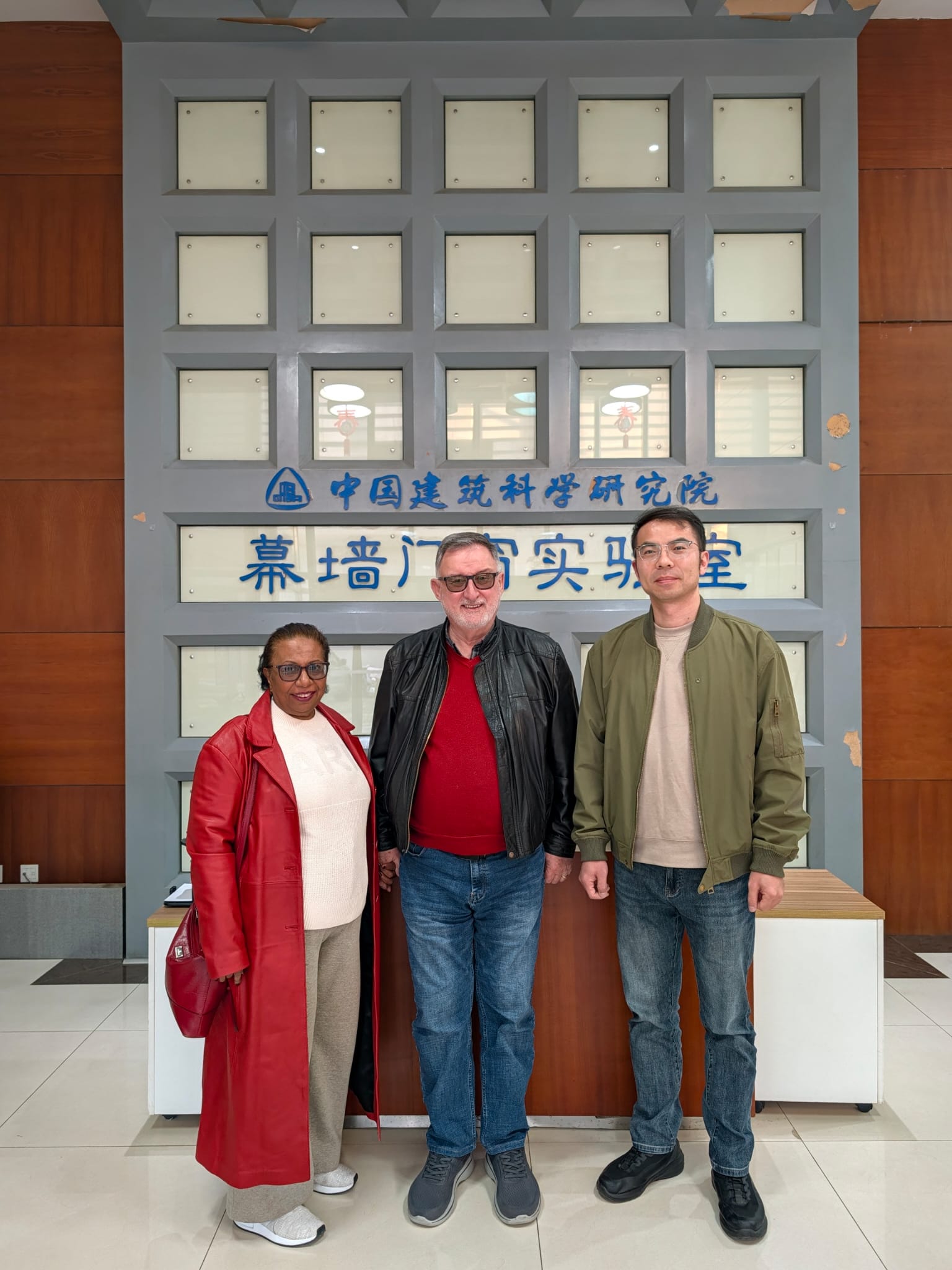
CSi Managing Director Azma Khan, Director and Technical Manager Sam Mac Kenzie, and PAS-Mark Scheme Manager Zhang Fei visited CABR on Monday 26 October 2026. CSi works with the laboratory on window, door and façade testing to Australian and New Zealand Standards.
How the glazing fits the assembly
For an architect or builder, the glazed façade section illustrates why the details of a test matter. The glass is one part of an assembly that also includes framing, seals and connections. When reviewing a proposed system, a project team needs to know how closely those details match the specimen described in the test report. A drawing of the tested assembly can help answer a question a photograph alone cannot: how was the glazing held, sealed and connected to the surrounding frame?
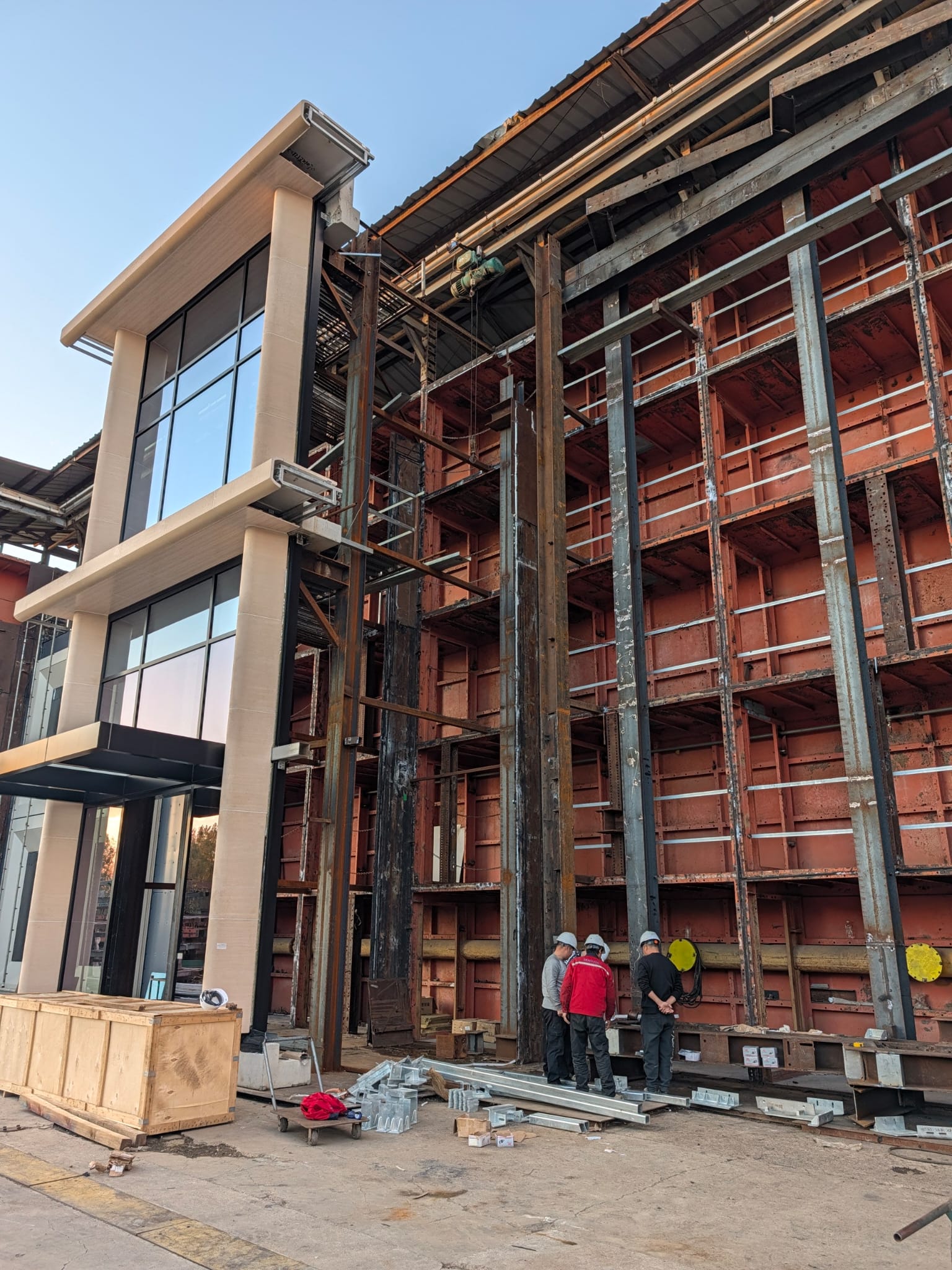
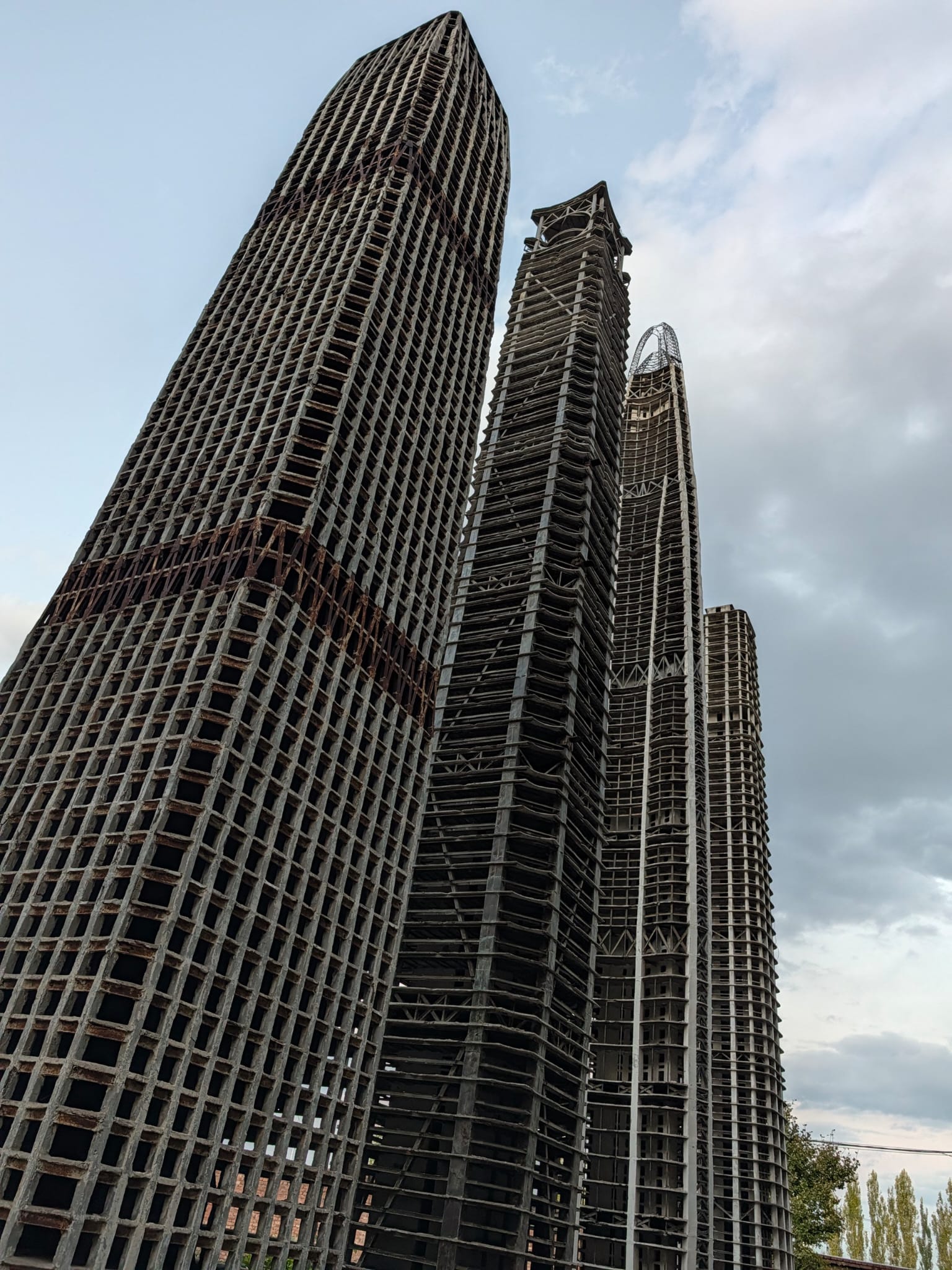
High-rise research at CABR
The tower models offered a glimpse of CABR’s wider research. According to the hosts, the laboratory has tested models of all of China’s tallest buildings, as well as models for projects overseas. For CSi, the connection to everyday practice was clearest in the façade testing area, where a project team can trace a performance claim back to a particular assembly and examine exactly what was tested.